

AdsPower and a static proxy handle two different parts of a browser workflow. The browser profile organizes session data and configuration. The proxy supplies the network exit for traffic routed through it. Used deliberately, they can make an authorized social account easier to operate consistently.
This is a setup guide for account owners and properly authorized teams. It is not a method for avoiding an identity check, replacing an appeal, or hiding prohibited activity. No browser can guarantee that an account will never be challenged.
Begin with a clear requirement: one named workflow, controlled access, a persistent profile, and a connection whose behavior you can verify. If an ordinary browser profile already satisfies your needs, specialized software is optional.
Check ownership and permissions first
Identify the person or business that owns the account and the assets being managed. Confirm which operators are authorized to publish, respond to messages, or manage advertising. Use the platform's native business permissions where available rather than treating a shared session as permission.
Record the recovery owner and a backup contact. The person who can open the browser may not control the connected email or phone number. That distinction matters when a security challenge appears while the owner is on a flight or has lost their device.
Do not import purchased session cookies or profiles supplied by strangers. You cannot establish legitimate ownership merely because an account opens without a password. Start with accounts you control and a documented access arrangement you can explain to the rightful owner.
Gather the connection information privately
Obtain the proxy protocol, hostname, port, and required authentication details from your provider's current instructions. Confirm that the service is static for the period you need. Check whether the exit is dedicated or shared, and whether renewal preserves the assignment.
Store credentials in a secure password manager. Profile names, task boards, screenshots, and general team documents should not contain secrets. When requesting support, describe the error and configuration type first; avoid sending an unredacted screen that exposes working credentials.
BadAssProxy's static residential service page explains available options, while the proxy connection guide covers the information to verify. Product availability can change, so use the live ordering details rather than assuming an article guarantees a particular country or term.
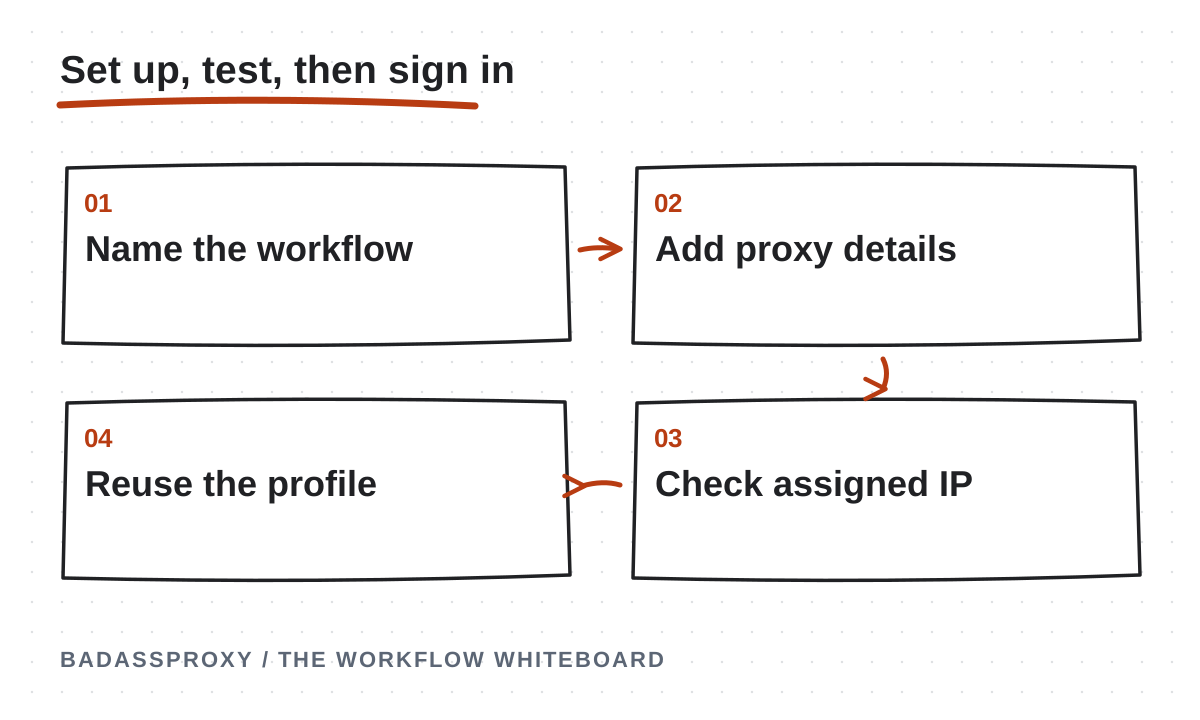
Create a clearly named persistent profile
In AdsPower, create a profile for the authorized business workflow. Choose a name that identifies the client or brand without including a password, private recovery address, or identity document number. A consistent naming system helps prevent operators from opening the wrong workspace.
Decide who can access the profile and how handovers will work. For a solo creator, that may be straightforward. For an agency, record the owner, assigned operators, and process for removing access when someone leaves. Match the controls to the sensitivity of the account.
Keep software current and use supported configuration options. Do not randomly modify browser characteristics to imitate another person or evade an enforcement decision. The useful objective is a coherent working environment, not a collection of settings selected because someone advertised them as undetectable.
Add the proxy using current documentation
The official proxy configuration documentation describes creating a profile, choosing the proxy type, entering connection fields, and using the connection check. Interface labels can change, so follow that current reference alongside the provider's protocol instructions.
Enter the host and port accurately, then provide authentication if required. Select the protocol the service actually supports; changing a dropdown does not convert the provider into a different protocol. Save the configuration only after resolving basic connection errors.
If your goal is a static assignment, avoid adding rotation controls or change-address URLs unless the product specifically requires them for another legitimate purpose. A working rotating service is still the wrong configuration when the requirement was to reuse the same exit.
Test the route before account access
Use the built-in connection check, then open the profile and inspect the reported external address. Compare it with the provider's assignment. An approximate city label may differ between databases, so distinguish an actual address mismatch from a geolocation disagreement.
Close and reopen the profile and check again. If practical, move between a trusted Wi-Fi connection and your personal hotspot while keeping the same profile configuration. The exit should behave according to the service you purchased, even though underlying connectivity changes.
A successful proxy test proves that a connection was established. It does not prove that Instagram will accept the login, that the address has a particular reputation, or that every application on the computer uses that route. Keep those claims separate in your team documentation.
Sign in through the genuine platform
Navigate directly to the platform using a trusted address or bookmark. Confirm the intended account before making changes. Complete legitimate verification through the official interface, and keep recovery codes private. Do not send codes to a person claiming they can complete setup for you.
If a suspension or disabled-account notice appears, stop treating the task as proxy troubleshooting. Use the official review route. If account details changed unexpectedly, follow compromised-account recovery. Our Vietnam access diagnosis guide explains how to distinguish these cases.
Once signed in, verify the correct business assets and permissions. Do not publish a test post or spend advertising money merely to prove the browser opens. A non-destructive review of the intended workspace is normally enough to establish that the operator reached the right account.
Preserve sessions without sacrificing security
Reuse the profile instead of creating a new one for every work session. Avoid deleting storage without a reason, because that can sign you out and remove useful continuity. However, persistence is an operational convenience, not a reason to retain a potentially compromised session.
Keep the operating system, browser software, and necessary extensions updated. Remove extensions you do not trust or need. If a device or profile is compromised, revoke sessions and rebuild the environment as appropriate, even when doing so interrupts the usual workflow.
Treat profile exports and backups as sensitive access material. Restrict their storage and sharing. A copy of browser data can be more consequential than a screenshot of the account because authenticated sessions may allow actions without another password prompt.
Document a safe team handover
Create a short operating note that identifies the profile, purpose, owner, assigned proxy service, and renewal responsibility. Include where authorized operators find instructions and how they request help. Reference the password manager rather than embedding secrets in the note.
Agree who responds to a verification challenge. Avoid a process where several people reset credentials or request codes simultaneously. A designated incident lead can collect the exact message, coordinate the owner, and stop unrelated changes while the issue is diagnosed.
Use platform-native roles wherever possible and review them after staffing changes. Removing a person's browser workspace permission may not remove their separate platform role, and revoking a platform role may not remove a local profile copy. Access removal needs to cover both layers.
Troubleshoot one layer at a time
If the profile cannot connect, check basic internet access, subscription status, protocol, host, port, and authentication. Do not delete the profile immediately. A wrong port or expired service is a connection issue, not evidence that the browser environment needs to be rebuilt.
If the proxy works but the website fails, note the exact response and test a neutral page through the same profile. Check provider status and application documentation. Preserve evidence of the failure without exposing credentials, personal messages, or unrelated customer information.
If the website opens but the account is challenged, follow the platform's instructions. Changing endpoints repeatedly cannot establish ownership. Our static IP explanation and browser-profile terminology guide help identify which component controls which behavior.
Keep a short written acceptance note after setup: profile name, assigned service, date tested, expected exit, and person responsible for renewal. Record whether the profile reopened successfully and whether a second underlying network preserved the intended route. Do not include the password or session export. Have another authorized operator read the note and identify the correct workspace without opening unrelated accounts. If they cannot, improve the naming and instructions before delegating live work. This simple handover rehearsal tests the organization of the setup, which is often the reason for using a managed browser in the first place.
Review the setup after real use
After several normal work sessions, ask whether the assigned exit stayed consistent, the profile reopened correctly, and the team understood the handover. Record unexpected failures and useful resolutions. These observations are better acceptance criteria than the vague claim that an account now looks more trustworthy.
Before travel, complete the digital nomad security checklist and confirm your recovery options. Revisit the Vietnam stability overview when planning a relocation. A profile and proxy should support those security preparations rather than distract from them.
For a workflow that genuinely needs both components, pair a persistent AdsPower profile with a suitable BadAssProxy static address. Keep authorization, recovery, and maintenance explicit. A successful setup is one the rightful owner can operate, explain, and recover when something changes.