

The worst time to discover that an old phone number controls your Instagram recovery is after landing abroad. A move changes routines quickly: a new SIM, unfamiliar Wi-Fi, a different time zone, and luggage that may not arrive with you. Prepare account access before those changes become urgent.
This checklist is organized around time, not a promise that preparation prevents every challenge. The aim is to make sure the rightful owner can still authenticate, recover, and administer the account when travel interrupts the usual setup.
Start with the essentials even if departure is tomorrow. An accessible recovery inbox, a working second factor, and a known device matter more than buying a network product at the airport.
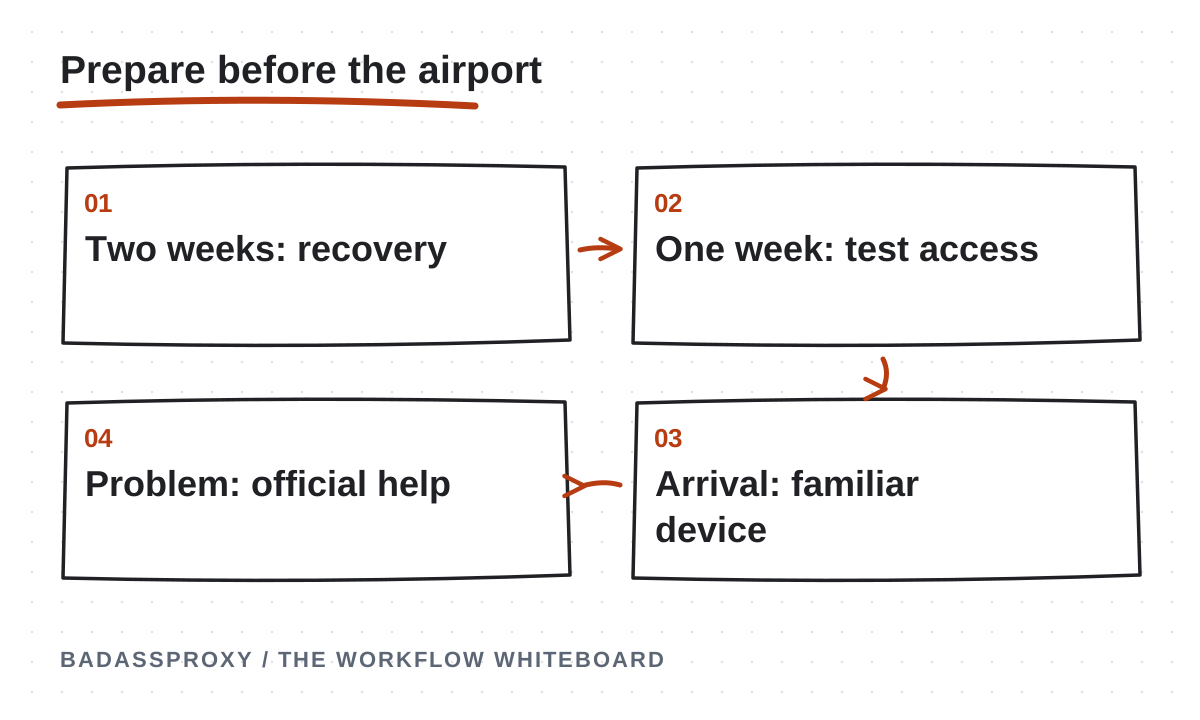
Two weeks before: confirm ownership
Open the account settings and verify the email and phone number attached to important profiles. Check that you can actually receive messages, not merely recognize the address. A recovery inbox you have not opened in years may have its own access problem.
Review business asset ownership and administrator roles. If a client owns the account, confirm who can approve recovery and where that person can be reached. Do not assume an agency login grants authority to replace ownership details or change someone else's recovery information.
Create a protected inventory of accounts, owners, recovery channels, and support routes. Reference secrets stored in a password manager without copying them into the inventory. The document should tell you where to go during a problem without becoming a collection of reusable credentials.
Two weeks before: prepare authentication
Enable an available two-factor method that will remain usable during the move. If you rely on text messages, confirm that the number stays active and can receive them abroad. A replacement SIM with local data does not automatically retain your original recovery number.
Save backup codes securely and plan how to retrieve them if your main phone is lost. Avoid keeping the only copy in the same inaccessible device or account. Test your password manager's recovery arrangements as part of the same exercise.
Use Meta's security resources as the official starting point, then check the current controls available to your account. Methods and menu locations can vary. Do not assume a remembered screenshot describes the interface you will see during an emergency.
Ten days before: secure the travel devices
Update the operating system, browser, and official social applications. Review extensions and remove tools you no longer need. Use a strong screen lock and supported device encryption, and confirm that important files are backed up somewhere you can recover appropriately.
Review existing sessions and remove devices you no longer own or recognize. If something looks unauthorized, deal with that now rather than waiting until travel makes coordination harder. Secure connected email as well when it may be affected.
Know how to locate, lock, or revoke access from a missing device using your existing services. Try reaching those controls from another trusted device. A recovery feature is less useful when accessing it requires approving a prompt on the phone that has disappeared.
One week before: rehearse your fallback
Choose a quiet moment to verify that your backup access arrangements work. Confirm the recovery inbox opens, authentication methods are available, and the owner knows where emergency instructions live. Avoid unnecessary sign-outs from working sessions simply to create a dramatic test.
For a business, have the backup administrator confirm their legitimate permissions. Check that they can reach the assets they are expected to manage. A role invitation that was never accepted is not a functioning contingency plan.
Write down the result and resolve any gaps before departure. “Backup method tested on Tuesday” is more useful than “security should be fine.” Keep the note free of actual recovery codes and passwords, and store sensitive evidence only where authorized people can access it.
One week before: plan your connection
Decide how normal work will reach the internet: apartment service, mobile data, a suitable VPN, or a managed browser connection. Travel itself does not create a universal requirement for a proxy. Choose tools around the work you actually need to perform.
If a browser workflow needs a persistent exit, configure and test a static service before the flight. Confirm the assigned address, protocol, authentication, and renewal date. Check what happens after a restart or underlying network change, using non-sensitive browsing first.
A persistent AdsPower profile can organize that browser workspace when specialized management is useful. Keep its purpose clear and protect the profile data. Our Vietnam relocation guide explains how connection consistency fits alongside ownership and recovery.
Three days before: reduce operational surprises
Tell authorized teammates when you will be in transit and who can handle urgent work. Agree how to contact the recovery owner through a trusted channel. Avoid a plan that requires someone to send authentication codes into a group chat while you are offline.
Check service renewals and account notices that could expire during the journey. A proxy subscription, recovery phone plan, or password-manager subscription can become an avoidable interruption if every responsible person assumes someone else renewed it.
Save copies of essential content assets and schedules in your approved workspace. This does not replace account access, but it helps the business continue planning while a device or login problem is resolved. Keep customer information protected rather than copying everything indiscriminately.
The day before: pack for loss as well as use
Keep your primary device and recovery options organized so one lost bag does not remove every route to access. Consider the physical placement of a backup security key or securely stored recovery material. Convenience should not create a single point of failure.
Charge your devices, confirm the travel SIM plan, and keep essential instructions available offline where appropriate. Do not print passwords on a travel checklist or photograph backup codes into a publicly synchronized album merely to make them easy to find.
Avoid making unrelated major account changes at the last minute. Necessary security action should never be delayed, but routine reorganizing can wait until you have time to verify the result. Leaving for the airport halfway through a recovery change adds preventable uncertainty.
On arrival: begin with familiar access
Use the device and browser you normally control. Confirm the network and complete any legitimate captive portal before opening important accounts. Keep certificate validation intact and navigate through official apps or trusted bookmarks rather than links offered by strangers.
If the platform requests a normal verification step, complete it through the official interface. A new country does not automatically mean the password must be changed. Change credentials when appropriate for security, not simply because a blog claims travel requires it.
Compare login alerts with the time, device, and your actual activity. Approximate location labels can differ because of network routing. Remove sessions you cannot explain and investigate unauthorized changes instead of accepting every mismatch or treating every one as proof of intrusion.
If access fails: classify the message
Record the exact notice and any deadline or case reference. Determine whether it describes a suspension, a verification step, incorrect credentials, suspicious activity, or a connection failure. Different problems require different support routes and different evidence.
Use the Instagram access diagnosis guide to choose an appropriate next step. A suspended account needs the official review process. Suspected compromise needs security and recovery action. A broken hotel connection needs network troubleshooting rather than repeated password resets.
Keep a familiar working session available when safe, and coordinate with the owner before making overlapping changes. Never pay a stranger who promises an internal recovery shortcut, share email codes, or create replacement accounts to evade enforcement. Use the platform's legitimate processes.
If departure is within hours, prioritize the recovery inbox, working two-factor method, backup codes, and device lock. Confirm who can administer business assets while you are in transit. Defer optional tooling changes until you can test them properly. A rushed migration to a new browser or connection is not a substitute for those fundamentals.
Write down your first action for three scenarios: missing phone, inaccessible email, and an account suspension notice. Each should point to a legitimate recovery or review route and a responsible person. Keeping these responses distinct helps you act accurately when fatigue and unfamiliar surroundings make every interruption feel like the same emergency, even though the causes differ.
During the first month: refine the routine
Review what actually changed after the move. Confirm the recovery number still works, the backup administrator remains reachable, and the chosen connection performs as expected. Record intentional device or endpoint replacements so later alerts have useful context.
Use the digital nomad security guide for ongoing habits and the public Wi-Fi guide for shared-network decisions. The best travel setup is the one you can maintain consistently, not the one with the largest collection of tools.
Download the one-page checklist below and keep it with your travel preparations. Use it as a reminder, not a place to store secrets. Moving abroad will change your surroundings; preparation helps ensure that account control and recovery remain with the right person.